
Building a reliable home gym goes beyond selecting weights or machines. One of the most overlooked yet essential components is proper flooring. High-quality workout mats play a critical role in protecting floors, improving comfort, reducing noise, and creating a safer training environment. Whether training with free weights, functional equipment, or cardio machines, the right mat supports long-term performance and equipment longevity.
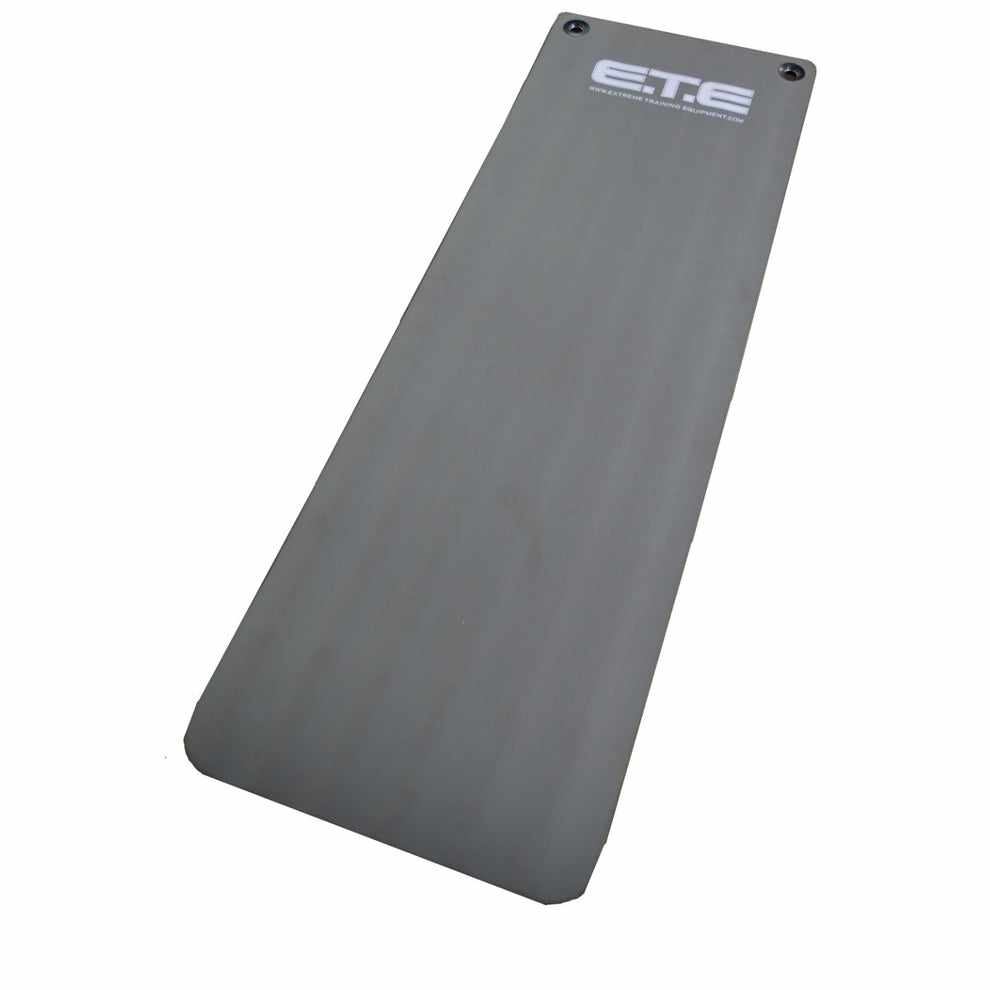
Extreme Training Equipment offers purpose-built flooring solutions designed for serious home training needs. This guide explains how gym flooring works, what features matter most, and how to select mats that support consistent workouts without damaging floors or equipment.
Why Workout Mats Are Essential for Home Gym Floors
Home gyms often sit on concrete, tile, wood, or garage floors. Without protection, repeated impact from weights and equipment can lead to cracks, dents, noise complaints, and unstable footing.
Key benefits of workout mats include:
Shock absorption during lifts and drops
Protection for flooring surfaces
Improved grip and balance
Noise reduction for shared living spaces
Defined workout zones for safety and organization
Using mats transforms any room into a functional training area without permanent changes.
Understanding Gym Flooring Options
Not all mats serve the same purpose. Choosing the right type depends on training style, equipment weight, and available space.
Rubber Gym Mats
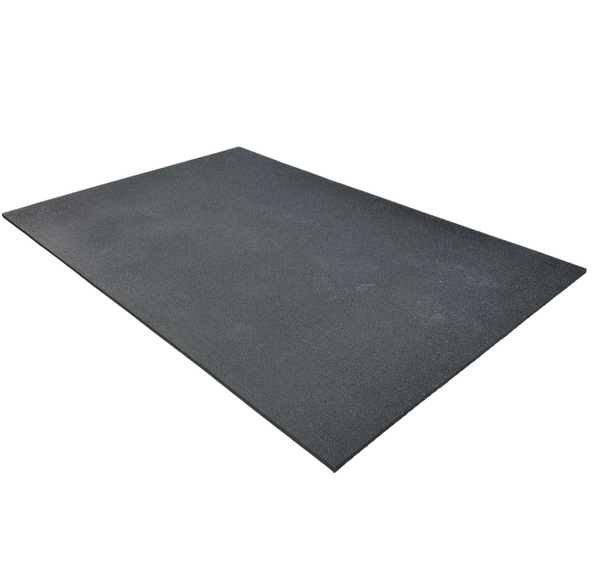
Rubber mats are a top choice for strength and functional training. They offer durability, slip resistance, and impact absorption for barbells, dumbbells, and machines.
Interlocking Foam Tiles
Foam tiles provide light cushioning and are best for stretching, mobility, and bodyweight workouts. They are easy to install but not recommended for heavy lifting.
Heavy-Duty Stall Mats
Originally designed for agricultural use, stall mats are thick rubber mats suitable for high-impact training. They work well under power racks and lifting platforms.
Roll-Out Gym Flooring
Rolls of rubber flooring provide seamless coverage for larger spaces. They are ideal for garages and full-room gym setups.
How Workout Mats Improve Training Performance
Proper flooring supports safer and more consistent workouts. Mats reduce joint stress during dynamic movements and help stabilize equipment during lifts.
Performance benefits include:
Better traction for squats, lunges, and sled work
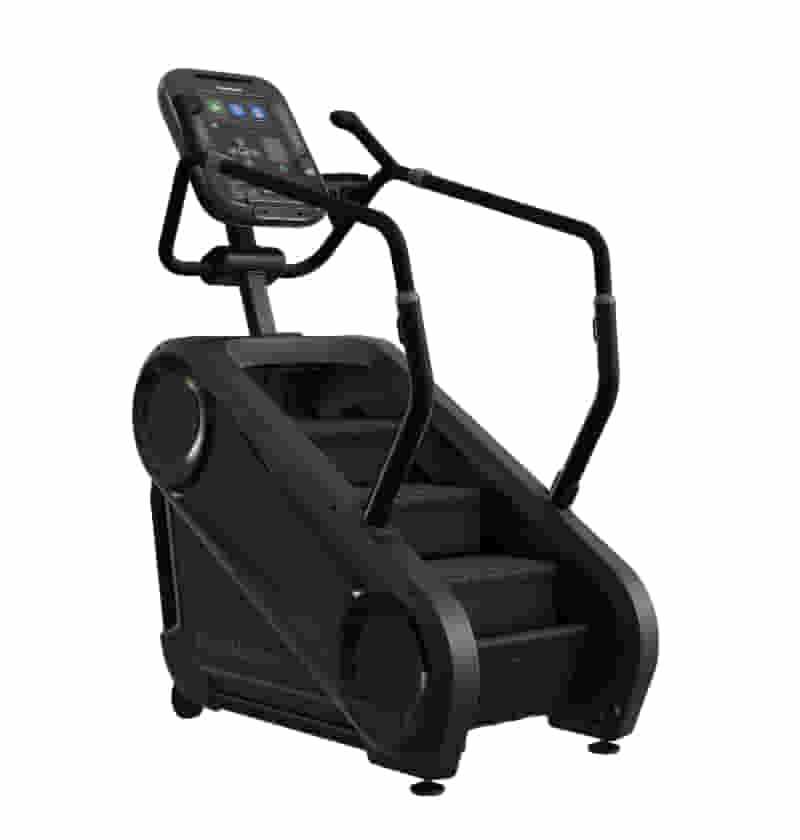
Reduced vibration under cardio machines
Stable base for Olympic lifts
Safer landings during plyometric exercises
Athletes training regularly at home benefit from mats that maintain structure under pressure.
Choosing the Best Workout Mats for Home Gym Floors
Selecting the best workout mats for home gym floors requires understanding training intensity, equipment weight, and floor type.
Thickness and Density
3/8"–1/2": Suitable for light to moderate training
3/4": Ideal for power racks and heavy lifting
1"+: Designed for extreme impact and dropped weights
Material Quality
High-density rubber outperforms foam for durability and long-term use. Look for mats that resist compression and tearing.
Surface Texture
Textured surfaces improve grip and prevent slipping during high-intensity sessions.
Ease of Installation
Interlocking edges or straight-cut mats allow for flexible layouts and easy expansion.
Why Home Gym Owners Choose Extreme Training Equipment
Extreme Training Equipment focuses on flooring solutions designed for serious training environments. Their gym mats are engineered to support strength training, conditioning, and daily use without compromising safety.
Benefits include:
Commercial-grade materials
Consistent thickness and density
Compatibility with racks, benches, and machines
Long service life under repeated impact
These features make Extreme Training Equipment a trusted source for home workout exercise equipment that performs reliably over time.
Workout Mats and Equipment Protection
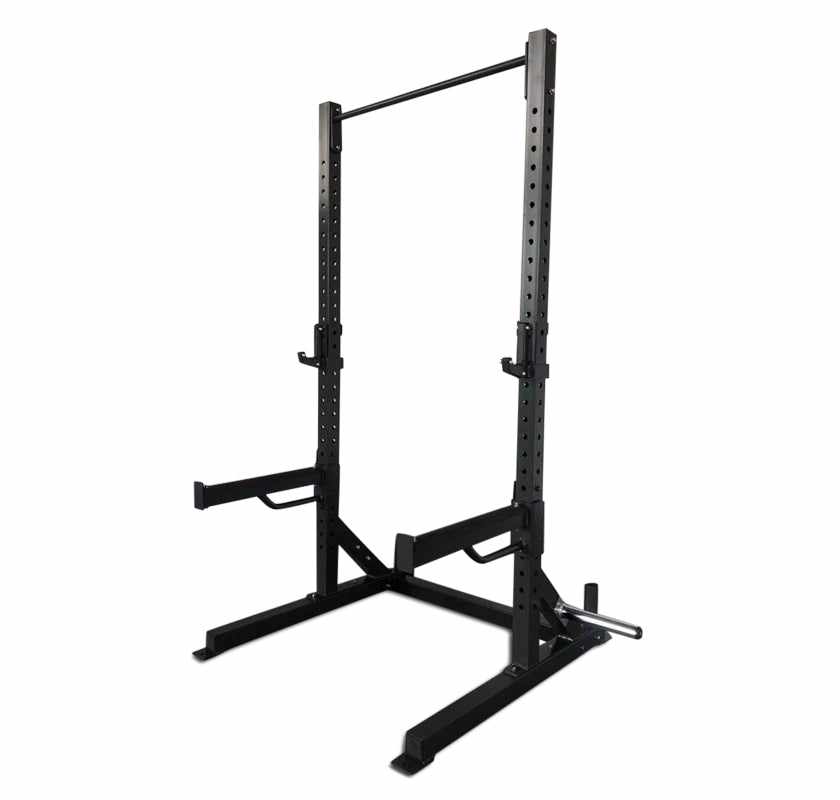
Heavy equipment such as squat racks, benches, and cardio machines can damage floors if placed directly on hard surfaces. Mats distribute weight evenly and prevent shifting.
Protective advantages:
Prevents cracks in concrete
Avoids scratches on wood or tile
Reduces equipment vibration
Keeps machines level during use
This protection helps maintain property value while supporting consistent training.
Noise Control and Home Training
Noise reduction is critical in shared spaces or residential areas. Rubber mats absorb sound and vibration, making early morning or late-night workouts more manageable.
This is especially important for:
Apartment gyms
Garage setups
Multi-level homes
Proper flooring helps maintain peace while allowing uninterrupted workouts.
How to Maintain Gym Flooring
Well-maintained mats last longer and remain safer to use.
Maintenance tips:
Clean mats weekly with mild soap and water
Avoid harsh chemicals
Allow mats to fully dry before use
Inspect seams and edges regularly
Routine care keeps mats functional and visually clean.
Designing a Functional Home Gym Layout
Workout mats help define training zones and improve space efficiency. Use different mat thicknesses based on activity areas.
Layout ideas include:
Thick mats under power racks
Medium mats in free-weight zones
Thin mats for stretching and mobility
This approach improves safety and organization without permanent changes.
Long-Term Value of Quality Gym Mats
Investing in durable workout mats reduces future repair costs and equipment wear. Quality mats maintain their shape, resist odor, and perform under repeated use.
Long-term value comes from:
Reduced floor damage
Lower noise complaints
Improved workout safety
Better equipment stability
Over time, proper flooring becomes a core part of an effective home gym.
Using Workout Mats with Home Workout Exercise Equipment
Mats work best when paired with reliable home workout exercise equipment. Together, they create a stable and professional training environment.
This combination supports:
Strength training routines
Cardio workouts
Functional fitness circuits
Recovery and mobility sessions
Proper flooring ensures equipment performs as intended.
Who Benefits Most from Workout Mats
Workout mats are useful for:
Strength athletes
Fitness enthusiasts
Personal trainers
Home gym owners
Beginners building safe routines
Regardless of training level, proper flooring improves consistency and safety.
Final Thoughts
High-quality workout mats are a foundational element of any effective home gym. They protect floors, support equipment, reduce noise, and create a safer training environment. When paired with reliable home workout exercise equipment, proper flooring enhances every workout session.
Frequently Asked Questions
1. What thickness of workout mats is best for home gyms?
For most home gyms, 3/4-inch rubber mats provide enough support for lifting and machines.
2. Can workout mats be installed on concrete floors?
Yes, rubber mats work well on concrete and help absorb impact and vibration.
3. Are workout mats suitable for garages?
Garage gyms benefit greatly from rubber mats due to durability and temperature resistance.
4. Do workout mats reduce noise?
Yes, dense rubber mats significantly reduce noise and vibration during workouts.
5. Can mats support heavy squat racks?
High-density mats are designed to support racks, benches, and heavy equipment.
6. How long do quality gym mats last?
With proper care, rubber mats can last many years even with daily use.
7. Are workout mats easy to clean?
Yes, regular cleaning with mild soap and water keeps mats in good condition.
8. Can mats be moved or rearranged?
Most mats are modular and can be repositioned as gym layouts change.
9. Do workout mats help prevent injuries?
Mats improve grip and shock absorption, reducing slip and joint stress risks.
10. Are workout mats necessary for bodyweight workouts?
They improve comfort and safety, especially during floor-based movements.


Write a comment ...