
Building a strength training routine that lasts starts with one decision most people rush through: picking the right rack. A wobbly stand or an undersized frame can turn a normal squat session into a safety risk, while the right setup gives you room to grow for years. This guide breaks down what actually separates a solid rack from a flimsy one, what to check before you buy, and how to fit one into a home or garage gym without wasting space or money.
Whether you train at home, run a small studio, or manage a commercial floor, understanding the mechanics, materials, and features behind squat power racks will help you avoid a purchase you regret. We will also look at how these racks fit into a broader setup of home workout exercise equipment, since a rack rarely works alone — it needs the right bar, plates, bench, and flooring around it to function properly.
What Makes a Quality Power Rack Different From a Basic Stand
A squat stand is just two vertical posts with J-hooks. It holds a bar at rest, but it does very little to protect a lifter mid-set. A true power rack is a four-post, fully enclosed cage. That structural difference matters more than most buyers realize.
With a four-post design, the frame surrounds the lifter on both sides, front and back. This creates a controlled environment where safety bars or straps can catch a failed rep at almost any height. A two-post stand cannot offer that same coverage because there is nothing behind or in front of the lifter to stop a bar that tips forward or backward.
Steel gauge is the second major difference. Entry-level stands often use thin-walled tubing that flexes under heavy load. A rack built for serious training uses 11-gauge or thicker steel, with reinforced welds at every joint. When you load 400 or 500 pounds onto a bar, that steel needs to hold its shape without twisting, and the welds need to hold without cracking.
Hole spacing on the uprights is another detail worth checking. Standard racks use 1-inch or 2-inch spacing along the entire post, called Westside hole spacing, which lets you fine-tune bar height and safety pin position with more precision. Cheaper units sometimes skip this and use wider gaps, forcing awkward compromises during setup.
Key Features to Check Before You Buy
Not every rack needs every feature, but a few items separate a rack that lasts a decade from one that needs replacing in a year.
Footprint and stability: Wider base plates and longer footprint rails resist tipping during heavy pulls or aggressive rack pulls. A narrow base looks compact but sacrifices stability.
J-cup material: Look for J-cups lined with UHMW plastic or nylon rather than bare steel. This protects both the bar's knurling and the rack's finish from scratches over time.
Pull-up bar rating: Many racks include a pull-up bar as standard, but weight ratings vary widely. Check the stated capacity against your body weight plus any added load from a weighted vest or dip belt.
Attachment compatibility: Dip bars, landmine attachments, band pegs, and lat pulldown add-ons all depend on standard hole spacing and post width. Confirm compatibility before assuming an attachment will fit.
Weight capacity rating: Manufacturers list a maximum static and dynamic load. Dynamic capacity, which accounts for movement and impact, is the number that actually matters for squats, bench presses, and rack pulls.
Finish and coating: Powder-coated steel resists rust and chipping far better than a basic painted finish, which matters if the rack sits in a garage with temperature swings or humidity.
A premium squat power rack with safety spotter arms checks every one of these boxes, combining thick-gauge steel, wide footprint rails, and adjustable safety bars that lock at precise heights along the full length of each post.
Full Power Racks vs Half Racks vs Squat Stands
Buyers often assume more expensive automatically means better, but the right choice depends on available space, training goals, and how much unassisted lifting you plan to do.
A full power rack surrounds the lifter on all four sides. It offers the highest level of built-in fall protection and typically supports the widest range of attachments, including pull-up bars, dip stations, and landmine sleeves. The tradeoff is footprint. A full cage needs more floor space than a half rack or stand, so it fits best in a garage, basement, or dedicated training room.
A half rack uses two vertical posts connected by a rear support structure, giving you safety arms and J-hooks without a fully enclosed frame. This design saves floor space while still offering meaningful fall protection, making it a strong middle-ground option for smaller rooms.
A squat stand is the most compact option, usually two independent posts with adjustable J-hooks and sometimes basic safety arms. Stands work well for lifters who train with a spotter or who prioritize portability, but they offer the least built-in protection during unassisted training.
If floor space allows, a full cage gives the most long-term flexibility, since it accommodates heavier lifts, more attachments, and safer solo training sessions.
Why Safety Spotter Arms Matter for Every Lifter
Spotter arms, sometimes called safety bars or safety straps, are horizontal bars set at a height below the bar's working range. If a lift fails, the bar drops onto the spotter arms instead of onto the lifter's body. This single feature is arguably the most important safety component on any rack.
Solid steel spotter arms are more rigid than strap-style safeties and tend to handle heavier catches with less flex. Strap safeties, made of woven nylon webbing, absorb some impact and pack away when not in use, which some lifters prefer for cleaner rack pulls or overhead work. Both styles work, but steel arms generally suit heavier squat and bench training better, while straps suit lifters who value adjustability and a lower-profile setup.
Correct spotter arm height matters just as much as the arm type. Set too low, and a failed rep travels further before catching, increasing injury risk. Set too high, and the arms interfere with the natural range of motion. Most lifters set safety arms about one to two inches below their lowest squat depth or bench press position, adjusting slightly based on personal comfort and mobility.
Training alone without spotter arms in place is one of the more common causes of serious gym injuries. Anyone lifting without a dedicated training partner should treat adjustable safety arms as a non-negotiable feature rather than an optional extra.
Building a Home Gym With the Right Home Workout Exercise Equipment
A rack is the anchor of a home gym, but it rarely works in isolation. The equipment surrounding it determines how much of your training you can actually do without leaving the house.
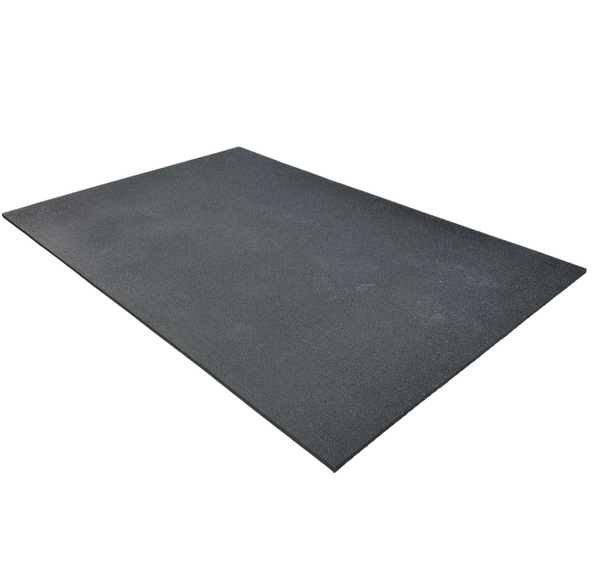
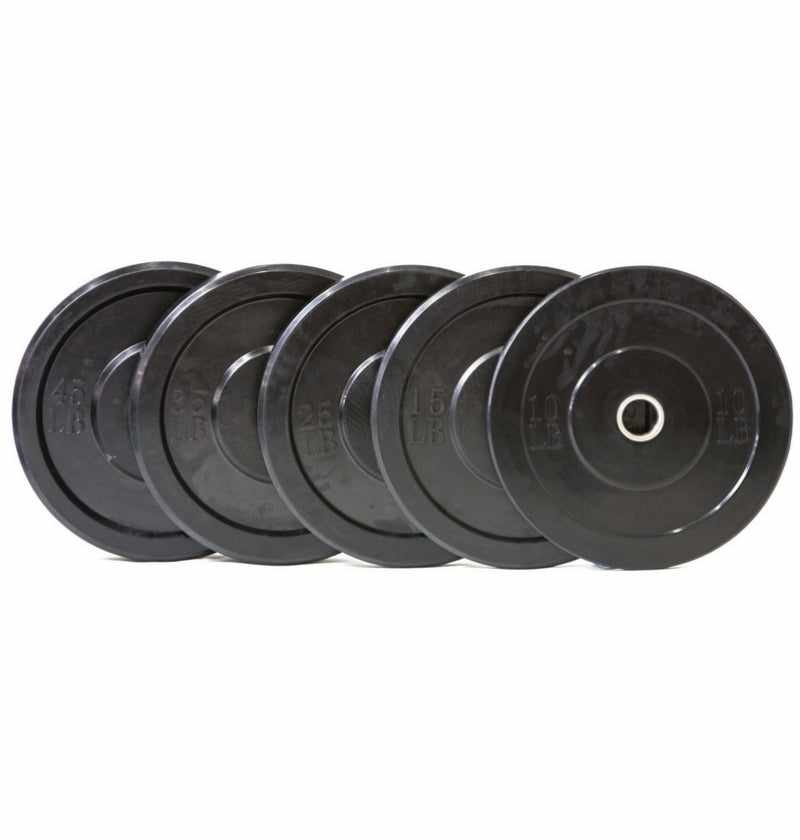
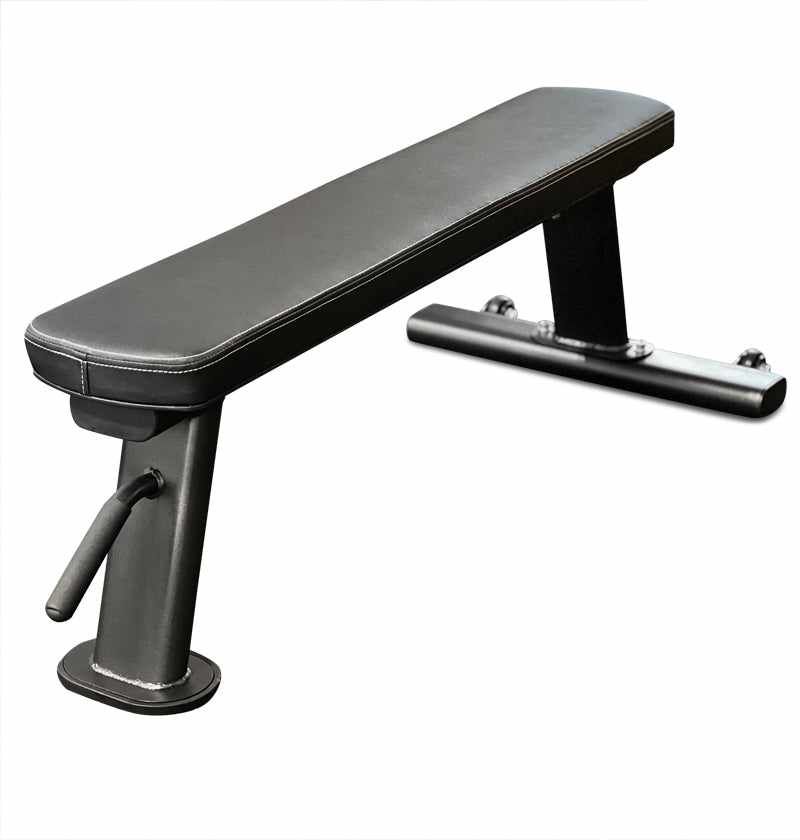
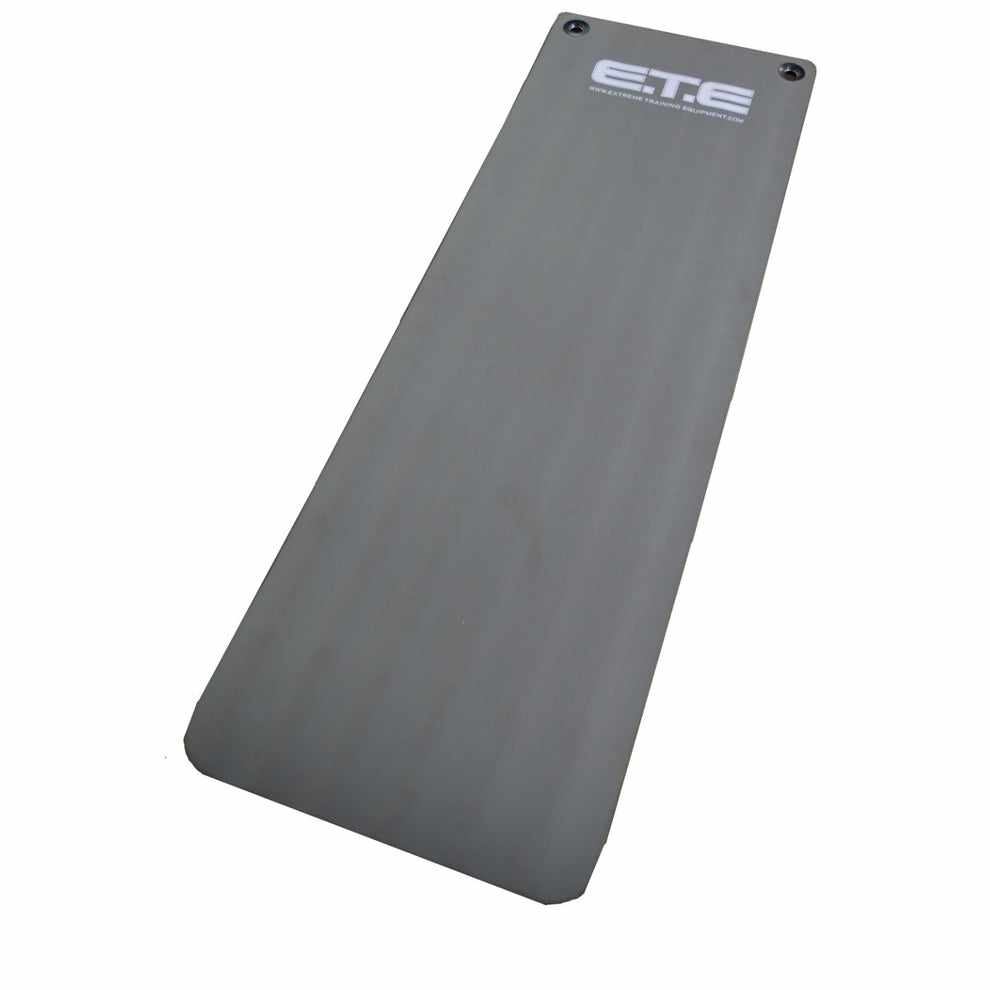
A quality Olympic barbell paired with bumper or standard iron plates covers most strength movements. Adjustable or flat benches expand programming into pressing variations. A pull-up bar, whether built into the rack or mounted separately, adds upper-body pulling work. Rubber gym flooring protects both the concrete beneath and the equipment above, while also reducing noise for anyone training in a shared living space.
For lifters working with limited square footage, foldable or wall-mounted racks fold flat against the wall when not in use, freeing the floor for other activities. This makes a rack realistic even in a one-car garage or a spare room that serves multiple purposes.
Buying home workout exercise equipment as a coordinated set, rather than piecing it together from mismatched sources, also tends to save money and reduce compatibility headaches, since bar diameter, plate sleeve size, and attachment hole spacing all need to line up correctly.
Weight Capacity, Steel Gauge, and Build Quality Explained
Weight capacity numbers on product pages can be confusing because manufacturers measure differently. A rack's static weight capacity reflects how much it can hold while stationary, such as storing weight plates on the frame. Dynamic capacity reflects how much force the frame can absorb during active movement, like a bar crashing onto safety arms mid-squat. Dynamic capacity is almost always lower than static capacity and is the more relevant figure for anyone actually lifting.
Steel gauge, measured as a number where lower means thicker, directly affects both capacities. An 11-gauge steel frame is noticeably more rigid than a 14-gauge frame, even if both look similar in photos. Wall thickness on the tubing itself, not just the outer dimension, is what resists bending under load.
Weld quality is harder to judge from a product photo but matters just as much. Full welds around every joint, rather than partial or spot welds, distribute stress more evenly and reduce the chance of a joint failing after repeated heavy use. Reputable manufacturers will often specify weld type and joint reinforcement in product details or specification sheets.
Space Planning for Squat Racks in a Home or Garage Gym
Before ordering any rack, measure the intended space with both footprint and ceiling height in mind. A full power cage typically needs a footprint between 4 and 5 feet square, plus clearance on at least one open side for loading plates and stepping in and out safely.
Ceiling height matters more than many first-time buyers expect. Standard racks with an attached pull-up bar often require 7.5 to 8 feet of clearance, and lifters performing overhead presses need a few extra inches above their fully extended arm reach. Garages with low-hanging garage door tracks or ductwork should be measured with attention to these details, since the obstructions sometimes sit lower than the visible ceiling line.
Flooring matters too. Concrete provides the most stable base, but adding interlocking rubber tiles rated for heavy equipment protects both the floor and the rack's footprint from chipping or shifting over repeated use.
Commercial vs Home Use: Choosing the Right Rack for Your Setting
Commercial gyms and personal training studios put racks through far more daily use than a single household ever will. A rack rated for commercial use typically features thicker steel, reinforced base plates bolted to the floor, and higher weight ratings to handle constant turnover between different lifters and body weights.
Home users generally do not need the same bolt-down commercial specification, since usage frequency and total load cycles are lower. That said, anyone training seriously, especially with compound lifts like squats, deadlifts, and bench presses, should still prioritize a rack built with commercial-grade steel gauge rather than the lightest consumer option available, since the difference in long-term durability is significant relative to the price gap.
Studios and small commercial facilities outfitting a full weight room should also factor in attachment ecosystems, since group training environments often need multiple stations with consistent, interchangeable accessories across several racks.
Maintenance Tips to Keep Your Power Rack Safe Long-Term
A rack is a long-term investment, and basic maintenance keeps it performing safely for years.
Check all bolts and fasteners every few months, since repeated racking and unracking of heavy bars can gradually loosen hardware. A simple wrench check takes a few minutes and prevents wobble from developing into a structural issue.
Inspect J-cups and safety arm liners periodically for wear. UHMW plastic liners degrade over time with heavy use and are inexpensive to replace compared to the cost of a scratched or damaged barbell.
Wipe down powder-coated surfaces to prevent chalk buildup and moisture accumulation, particularly in garages exposed to humidity or temperature swings. Surface rust on exposed steel usually starts small and is much easier to address early with a wire brush and touch-up coating than after it spreads.
Store attachments properly when not in use rather than leaving them loosely hung on the frame, since this reduces unnecessary stress on mounting points over time.
Where to Buy Reliable Power Racks in California
For lifters and gym owners across California and throughout the United States, working with an established Fitness & Gym Equipment provider USA simplifies the buying process considerably. A supplier with a wide catalog of racks, bars, benches, and flooring lets you outfit an entire training space from one source, with matching specifications and consistent support if a replacement part is ever needed.
Extreme Training Equipment offers a full lineup, from compact squat stands to full commercial cages, along with the home workout exercise equipment needed to build out a complete training space. Browsing a dedicated power rack collection alongside benches, bars, and flooring makes it easier to plan a cohesive setup rather than sourcing pieces individually from different vendors.
Frequently Asked Questions
1. What is the difference between a squat rack and a power rack?
A squat rack, sometimes called a squat stand, usually has two independent posts and limited built-in safety features. A power rack is a fully enclosed four-post cage that offers more structural support and typically includes adjustable spotter arms on all sides.
2. How much floor space does a power rack need?
Most full-size racks need roughly 4 to 5 feet of footprint, plus additional clearance on at least one side for loading plates and moving in and out safely. Half racks and folding models need less space.
3. What weight capacity should I look for in a home gym rack?
For general strength training, a dynamic weight capacity of at least 500 to 700 pounds covers most lifters. Powerlifters or anyone training near maximal loads should look for higher-rated commercial-grade frames.
4. Are safety spotter arms necessary if I always train with a partner?
Spotter arms remain useful even with a training partner present, since they add an extra layer of protection and reduce reliance on a spotter's reaction time during heavy attempts.
5. Can I fit a full power rack in a garage gym?
Yes, as long as ceiling height clears roughly 7.5 to 8 feet and the footprint fits comfortably with room to load plates. Folding or wall-mounted racks are available for smaller garages.
6. What steel gauge is best for a home squat rack?
11-gauge steel is a common benchmark for durable home and light commercial use. Lower gauge numbers indicate thicker, more rigid steel.
7. Do I need a pull-up bar attachment on my rack?
It is not required, but most racks include one as a standard feature, adding upper-body pulling exercises without needing separate equipment or extra wall space.
8. How often should I inspect my power rack for wear?
A general check of bolts, welds, and safety arm liners every two to three months is a reasonable schedule for home use, with more frequent checks for higher-use commercial settings.
9. What is the difference between static and dynamic weight capacity?
Static capacity measures how much weight the rack can hold while stationary, such as stored plates. Dynamic capacity measures how much force it can safely absorb during active lifting, which is the more relevant number for training.
10. Where can I buy squat power racks and other gym equipment in California?
Extreme Training Equipment supplies power racks, benches, bars, and complete home workout exercise equipment packages to customers across California and the broader United States, with options ranging from compact home setups to full commercial installations.

Write a comment ...