
Flat weight benches are one of the most important pieces of equipment in any strength training setup. From commercial gyms to home workout spaces, they support a wide range of exercises that focus on power, stability, and muscle control. When chosen correctly, they help lifters train safely, maintain proper form, and progress steadily over time. This guide explains how flat weight benches support effective workouts, what to look for when selecting one, and why they continue to be a reliable option for fitness users across California and the United States.
Why Flat Weight Benches Are a Core Part of Strength Training
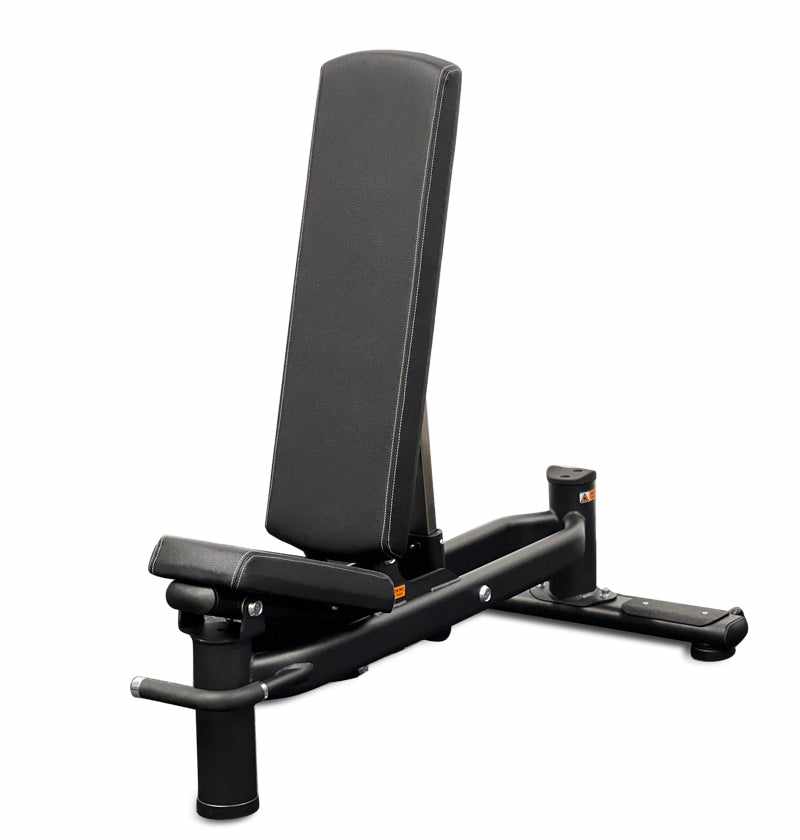
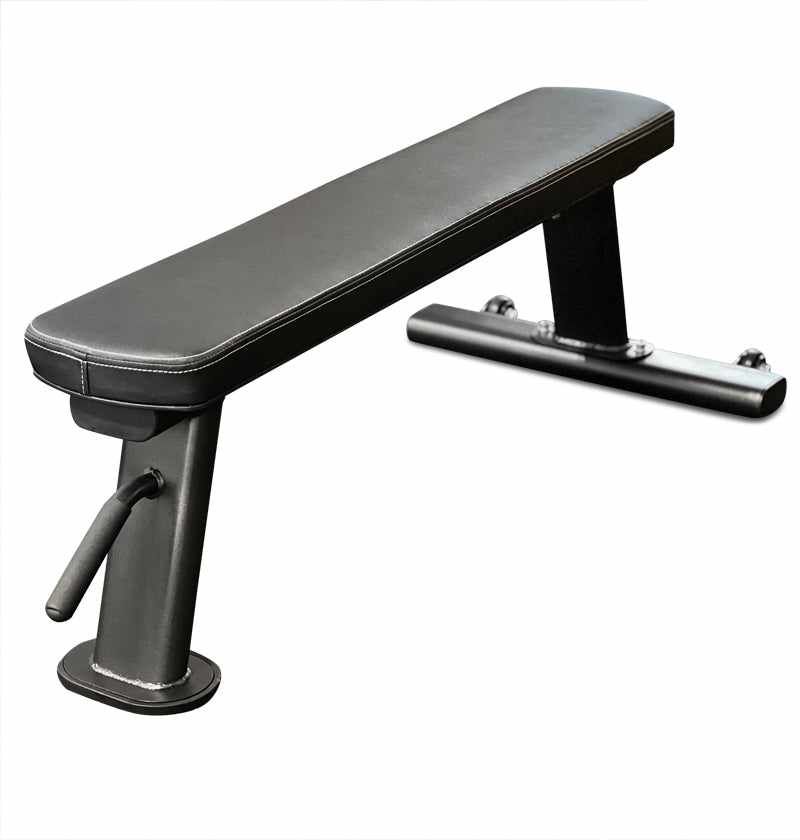
A flat weight bench provides a stable surface that allows lifters to perform pressing, rowing, and core-based movements with control. Unlike adjustable benches, flat benches focus on simplicity and strength, making them ideal for lifters who prioritize durability and consistent performance.
In many gyms, flat benches are used daily for barbell bench presses, dumbbell presses, chest-supported rows, step-ups, and seated exercises. Because they do not rely on moving parts, they tend to last longer and require less maintenance. This makes them a dependable choice for facilities that see heavy use, as well as for individuals building a long-term home gym.
Another advantage is balance. Flat benches help users maintain a neutral spine and solid footing, which is essential for developing proper lifting mechanics. Over time, this reduces the risk of injury and improves overall strength output.
Key Benefits of Using Flat Weight Benches
Improved Stability During Lifts
Stability is critical during strength exercises, especially when working with heavy loads. Flat benches provide a firm base that keeps the body aligned. This is especially helpful during compound lifts like bench presses, where even small shifts can affect performance.
Versatility Across Training Styles
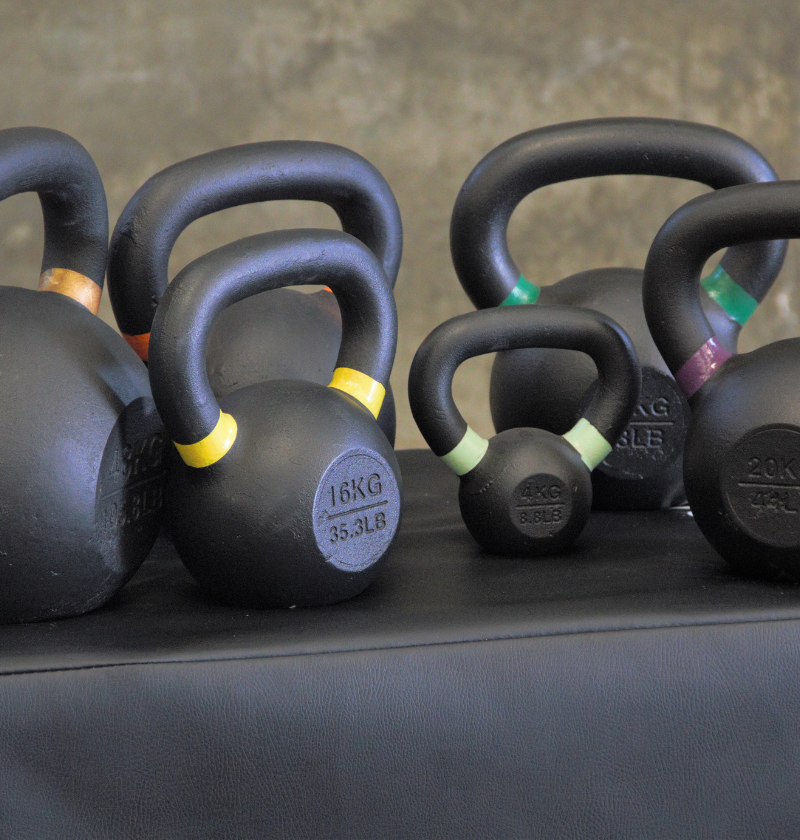
Flat benches support a wide range of training styles, including bodybuilding, powerlifting, athletic conditioning, and functional fitness. They work equally well with barbells, dumbbells, kettlebells, and resistance bands, making them adaptable for different workout goals.
Long-Term Durability
Because they have fewer adjustable components, flat benches are often more durable than multi-position benches. Many models are built with reinforced steel frames and dense padding, designed to withstand repeated use in high-traffic gyms.
Space Efficiency
Flat benches usually take up less space than adjustable benches. This makes them easier to place in compact home gyms, garages, or small studio environments without limiting workout options.
Understanding Build Quality and Design
When evaluating flat weight benches, construction quality should be a top priority. The frame should be made from heavy-duty steel with strong welds that support high weight capacities. A solid base with non-slip feet helps keep the bench steady on different flooring surfaces.
Padding also matters. High-density foam provides comfort without compressing too quickly under load. Upholstery should resist sweat and wear, especially in shared gym environments. Many users look for benches with vinyl or commercial-grade coverings that are easy to clean and maintain.
Width and height are also important. A well-designed flat bench supports the shoulders comfortably while allowing the feet to stay planted on the ground. This positioning helps lifters generate power and maintain control during pressing movements.
How Flat Weight Benches Support Progressive Training
Progressive overload is a key principle in strength training. Flat benches support this by allowing lifters to gradually increase weight while maintaining consistent form. Because the bench height and angle remain the same, users can track performance more accurately over time.
This consistency is why many strength programs rely on flat benches as a foundation. Whether training beginners or advanced athletes, the bench provides a reliable platform that supports growth without unnecessary complexity.
For those seeking the Best flat weight benches for strength trainings, focusing on models that balance comfort, strength capacity, and stability can make a noticeable difference in workout quality and long-term results.
Flat Weight Benches in Home and Commercial Gyms
Home Gym Use
In home gyms, flat benches are often one of the first pieces of equipment purchased. Their versatility allows users to perform dozens of exercises without requiring multiple machines. They also pair well with power racks, squat stands, and free weights.
Because many home gym owners value long-term use, choosing a bench from a trusted premium gym equipment provider usa can help ensure reliability and safety over time.
Commercial Gym Use
In commercial gyms across California and other parts of the United States, flat benches are used throughout the day by members with different experience levels. This makes durability and ease of maintenance essential. Gyms often prefer benches with higher weight ratings and reinforced frames to handle constant use.
Flat benches also support group training and personal training sessions, as they can be easily moved and repositioned on the gym floor.
Safety Considerations When Using Flat Weight Benches
Proper use of a flat bench starts with setup. The bench should be placed on a level surface to prevent rocking or shifting. Users should ensure their feet are firmly planted on the ground and their back maintains a natural arch during pressing movements.
Spotting is also important when lifting heavy weights. Flat benches are commonly used with spotters or safety arms, especially during barbell bench presses. This added support reduces the risk of accidents and helps users train with confidence.
Regular inspection of the bench is recommended, particularly in shared environments. Checking bolts, welds, and padding condition helps maintain safety standards.
Training Variety With Flat Weight Benches
Flat benches are often associated with chest exercises, but their usefulness goes far beyond that. Common exercises include:
Flat dumbbell press
Barbell bench press
Chest-supported dumbbell rows
Seated shoulder presses
Step-ups for lower body training
Core exercises such as bench leg raises
This variety allows users to build full-body strength without relying on multiple pieces of equipment. Over time, this supports balanced muscle development and functional fitness.
Why Flat Weight Benches Remain a Popular Choice
Despite the availability of advanced machines and adjustable equipment, flat benches remain a staple in gyms of all sizes. Their simple design, reliable performance, and adaptability make them a practical investment for both individuals and facilities.
In regions like California, where fitness trends often emphasize functional training and efficient workouts, flat benches align well with modern training preferences. They support both traditional strength routines and newer hybrid workout styles.
Choosing the Right Flat Weight Bench for Your Needs
Selecting the right bench depends on how it will be used. For personal training spaces, portability and size may be key factors. For commercial gyms, weight capacity and durability take priority.
It is also important to consider how the bench fits into the rest of the training setup. Compatibility with racks, spacing within the gym, and ease of storage all influence long-term satisfaction.
By focusing on quality construction and practical design, users can find flat weight benches that support consistent training and lasting performance.
Frequently Asked Questions
1. What exercises can be performed using flat weight benches?
Flat benches support a wide range of exercises, including bench presses, dumbbell presses, rows, step-ups, and seated movements. They are also useful for core training and mobility work.
2. Are flat benches suitable for beginners?
Yes, flat benches are ideal for beginners because they provide a stable surface that helps users learn proper form and build confidence with free weights.
3. How much weight can a flat bench typically support?
Weight capacity varies by model, but many commercial-grade flat benches are designed to support several hundred pounds, including the user and the load being lifted.
4. Do flat benches require a lot of maintenance?
Flat benches generally require minimal maintenance. Regular cleaning and occasional inspections of the frame and padding are usually sufficient.
5. Can flat benches be used in small home gyms?
Yes, flat benches are space-efficient and fit well in small home gyms. Their simple design makes them easy to move and store when not in use.


Write a comment ...